
BLOG
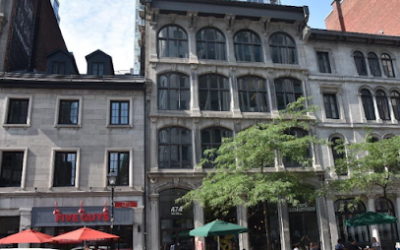
How to prioritize facade repairs after a building inspection in Quebec ?
In Quebec, Bill 122 requires periodic facade inspections for buildings with at least one facade that is five floors or more above ground level. Every five years, an engineer or architect must prepare a report detailing the observed defects, recommended corrective...
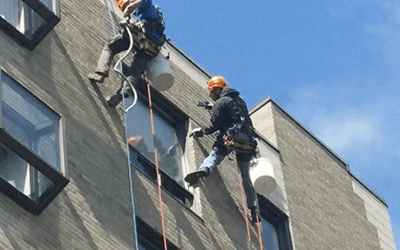
Facade anchors : Why are they so important ?
A facade may appear intact while concealing a defect behind its cladding. In Quebec, Bill 122 governs the inspection of certain buildings. A facade inspection must not only check for visible cracks but also examine hidden components. Among these, facade anchors and...

Which information do syndicates usually forget to include in the maintenance handbook ?
A useful maintenance handbook for condominiums is more than just a list of tasks. It should document the actual condition of the building, the work that has been done, and the decisions that have been made. A commercial building inspection provides the technical...

Delay of face inspection : What are the real consequences ?
A well-maintained building logbook is not enough if the facade has never been inspected within the required timeframes. Bill 122 sets specific deadlines for facade inspections, and many homeowners’ associations underestimate the consequences of missing these...

Why don’t two identical buildings have the same reserve fund ?
In theory, two condominium properties built by the same developer, in the same year, and based on the same blueprints may seem perfectly identical. But every month, when it comes to evaluating the amount of the contribution to be paid into the reserve fund, the...
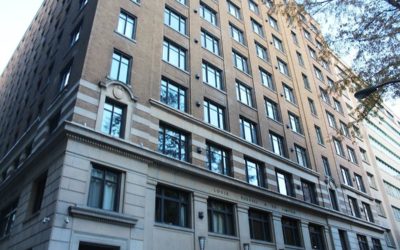
Maintenance handbook vs reserve fund: which one should you prioritize?
Since Bill 16 came into force in August 2025, the building maintenance handbook has become the reference document. It now contains the technical assessment of the building, which previously belonged to the reserve fund study. The reserve fund itself now holds only the...

Building Maintenance Handbook: Why It Becomes Essential When the Condo Board Changes
Since Bill 16, the building maintenance handbook has become a core document in condominium management. It no longer serves only as a record of past work. It helps organize maintenance over a 25-year period, documents the actual condition of common elements, and...

Facade Inspection in Quebec: A Legal Requirement, but Above All a Responsibility to Protect Your Building
A facade inspection is not only about meeting a regulatory requirement. It is also about identifying real risks before they turn into major repairs, special assessments, or a safety hazard for the public. Under Bill 122, this process also helps condo boards better...

How a Strong Reserve Fund and Maintenance Handbook Protect You Against Inflation That Changes Long-Term Forecasts
TL;DR – What You Need to KnowInflation makes long-term financial projections for a reserve fund uncertain over time.A reserve fund based on outdated assumptions can become underfunded even if contributions have been maintained.The main risk is an unexpected special...