
You’re putting serious money into a commercial or industrial building. It’s only natural to want clarity before finalizing the deal or taking over operations. Skipping a commercial or industrial or building inspection can lead to costly surprises: from structural problems to compliance issues. Think of it as confirming a building’s stability before making it part of your portfolio.
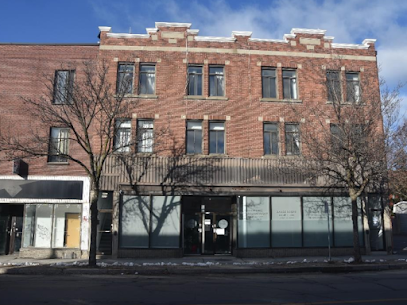
Why you need a commercial building inspection before buying or managing a property
Recommended by the OACIQ for a reason
The OACIQ encourages buyers to go beyond a quick walkthrough. Surface-level checks won’t catch everything, especially not potential structural, mechanical, or electrical concerns.
A licensed professional, often an engineer, conducts a detailed evaluation. With that report in hand, you’ll know what repairs may be needed now and what to monitor in the long term.
Often required by banks and lenders
Most financial institutions expect a current inspection report as part of their risk review. If you’re applying for a loan or looking to refinance later, a recent inspection makes a big difference. Without one, the lender can’t confirm the condition of the property, which often delays or blocks approval.
Helps identify issues you can’t see
Some building issues are easy to miss. For example, a ceiling stain could point to something more serious like water infiltration from the roof.
A full inspection helps you get ahead of these problems and plan repairs on your terms, not when things fail.
7 costly mistakes people make without an inspection
1. Misjudging the condition of the load-bearing structure
The building’s frame carries all its weight. If there’s damage, even small cracks, it can become an urgent, expensive issue. Fixing major structural problems often starts at $150,000.
A professional inspection gives you a clear picture before you buy, and it can strengthen your position during price negotiations.
2. Overlooking roof or exterior problems
The building envelope (roof, walls, joints) keeps moisture out. If parts are worn or poorly sealed, water gets in. Mold can form. A rentable space might sit empty while repairs are underway.
The cost? Repairs plus potential lost income, which affects your returns.
3. Not checking mechanical and electrical systems
Heating, ventilation, air conditioning, and electrical systems are easy to overlook, until something breaks down. An outdated heating system failing in mid-winter can lead to emergency repairs, stress, and even downtime.
Inspections highlight problems in advance so you’re not caught off guard.
4. Missing code violations
You might be ready to move forward with a deal, until you realize parts of the building aren’t compliant. That could mean staircases without proper railings, electrical wiring that doesn’t meet today’s standards, or zoning use that’s no longer permitted.
These issues can delay occupancy, create legal headaches, and lead to unplanned costs.
5. Skipping long-term maintenance planning
An inspection isn’t just about what’s broken today. Engineers often outline when key components like flat roofs or HVAC units will need work in the next few years.
Without that plan, future repairs can catch you off guard and eat into your budget.
6. Risking legal trouble with tenants or co-owners
If an issue with the building harms someone or affects their business, it can lead to complaints and legal action. If it becomes clear that no serious inspection was done beforehand, it may be considered negligence.
Preventing that kind of situation is often as simple as getting an inspection and documenting it.
7. Weakening your property’s value at resale or during refinancing
When it’s time to sell or refinance, documentation matters. Properties with clear inspection histories and maintenance records are easier to appraise and justify. Without that, potential buyers or banks may question the building’s condition, and offer less money or tighter loan terms.
A thorough commercial building inspection gives you confidence in your decisions. Whether you’re buying, refinancing, or managing, it’s a key step to prevent financial and operational problems down the road.
Genispec
Consulting engineering firm based in Québec
Genispec is a consulting engineering firm made up of building engineers who are members of the OIQ. We offer specialized services in façade and underground parking inspections in accordance with Law 122, as well as reserve fund studies and maintenance logs as required by Law 16. We also conduct inspections of commercial, multi-residential, industrial buildings, and condominiums. In addition, we provide building condition certificates and pre-delivery inspections.
All our reports are validated by a qualified engineer. Every article published on our website is reviewed and approved by a qualified member of our team to ensure the technical accuracy of the information.